All Categories
Featured
Table of Contents
Modernizing Pest Management for 2026 Homeowners
Property maintenance has shifted significantly as we move through 2026. Weather patterns that were once predictable have become more volatile, leading to new challenges for maintaining a healthy lawn. Integrated Pest Management, or IPM, has become the standard for homeowners in the local area who want to protect their outdoor spaces without resorting to outdated, heavy-handed chemical applications. This strategy relies on understanding the life cycles of pests and their interaction with the environment. By combining biological, cultural, and physical tools, residents can manage damage while keeping their soil and local water systems healthy.
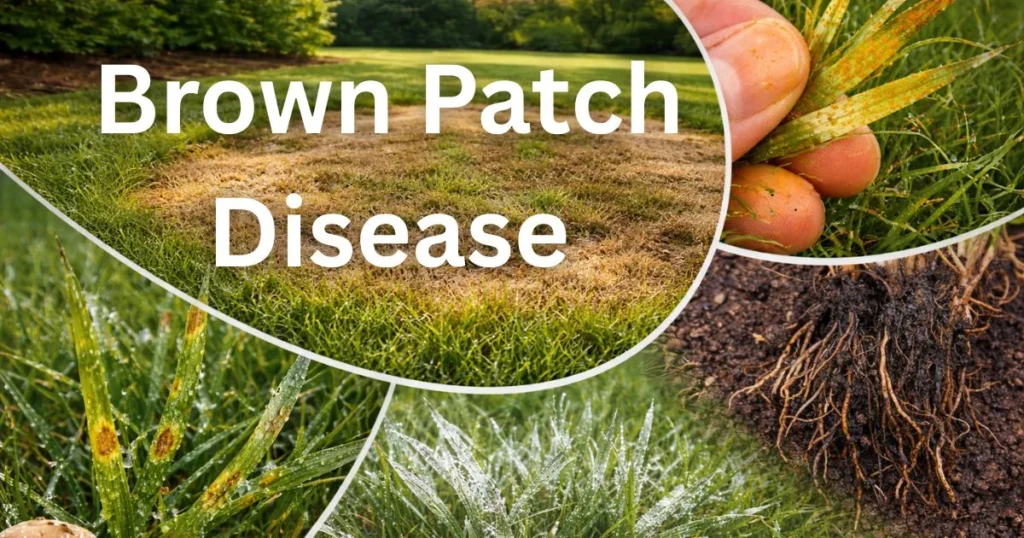
The 2026 season has seen a rise in specific turf diseases that thrive in higher humidity levels. Large Patch and Dollar Spot have shown increased resistance to traditional over-the-counter treatments. Instead of blanket spraying an entire yard, informed property owners are now using targeted identification. Recognizing the difference between a fungal bloom and simple drought stress is the first step in a successful IPM plan. Many people find that focusing on Pest Management protocols helps them catch these issues before they require expensive turf replacement.
Emerging Lawn Threats Across the Region in 2026
New invasive species have moved into the surrounding region this year. One of the most aggressive is the mutated fall armyworm, which has adapted to common southern grasses more effectively than in previous years. These pests can strip a lawn of its green blades in less than 48 hours. Homeowners who monitor their property daily are the ones who save their grass. They look for small, jagged edges on grass blades or an influx of birds pecking at the soil, which often indicates a high concentration of larvae just beneath the surface.
Homeowners focusing on Subsurface Pests are seeing better results than those who wait for visible brown patches to appear. Proactive monitoring involves more than just a casual glance. It requires checking the thatch layer and the underside of blades for egg masses. In 2026, the use of pheromone traps has become a popular way to track adult moth activity, giving residents a head start on when to expect the next generation of hungry caterpillars. This data-driven approach is a core part of the IPM philosophy, ensuring that interventions happen exactly when they are most effective.
Cultural Controls and Soil Health in the Local Market
The health of the soil determines the resilience of the grass. In 2026, soil testing has become a routine part of spring preparation for anyone serious about turf management. High-nitrogen fertilizers, while once popular for quick green-ups, are now understood to be a primary cause of fungal outbreaks. Excessive nitrogen creates soft, lush growth that is easy for pathogens to penetrate. By balancing soil pH and using slow-release organic matter, homeowners can create a tougher plant that resists infection naturally.
Mowing habits also play a role in disease prevention. Keeping blades sharp and at the correct height for the specific grass variety reduces plant stress. In your local community, many are adopting the "one-third rule," never removing more than a third of the grass height at once. This practice maintains the plant's ability to photosynthesize and prevents the scalping that leaves soil exposed to weed seeds. Experts suggest that Integrated Turf Defense Strategies provides the best protection against common broadleaf invasions that capitalize on stressed turf.
- Aeration helps relieve soil compaction, allowing oxygen to reach the root zone.
- Dethatching prevents the buildup of organic matter where pests like chinch bugs hide.
- Proper irrigation, specifically watering in the early morning, reduces the time leaves stay wet, which limits fungal growth.
- Overseeding with newer, drought-resistant cultivars can fill in bare spots before weeds take hold.
Biological Interventions and Modern Solutions
Natural predators are an often overlooked component of Pest Management in 2026. Beneficial insects like ladybugs, lacewings, and certain types of parasitic wasps keep aphid and mite populations under control. Many homeowners are now intentionally planting pollinator gardens around the edges of their lawns to attract these helpful species. This create a buffer zone that reduces the need for synthetic pesticides. Nematodes, which are microscopic organisms that live in the soil, are also being used more frequently to target grubs and flea larvae without harming pets or beneficial earthworms.
When biological and cultural methods are not enough to stop a major infestation, selective chemical use is the next step in the IPM hierarchy. The focus in 2026 is on spot treatments rather than whole-yard applications. By only treating the affected areas, you preserve the population of beneficial microbes in the rest of the soil. This surgical approach prevents the "rebound effect," where a pest population explodes because all its natural enemies were killed off by a broad-spectrum spray. Many residents are now investing in Subsurface Pests within Local Soil to safeguard their property while maintaining a responsible environmental footprint.
Technological Integration in 2026 Property Management
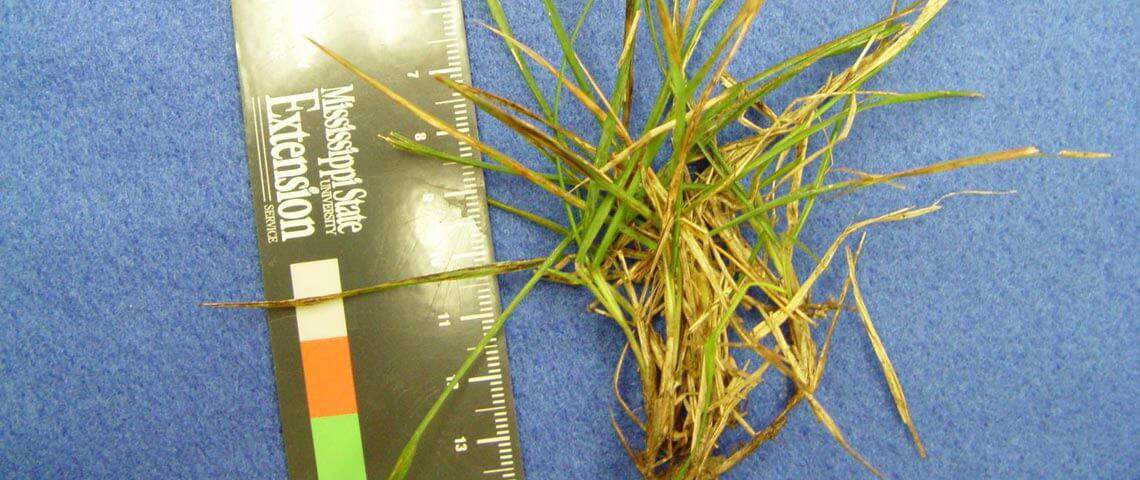
Technology has made IPM more accessible for the average person. Smart irrigation systems now connect to local weather stations in the region to skip watering cycles when rain is in the forecast. This prevents the over-saturation that leads to root rot and Pythium blight. Furthermore, mobile apps that use image recognition can identify 2026's most common lawn diseases from a single photo, providing instant advice on whether a brown spot is caused by a fungus or an insect. These tools allow for rapid response, which is the difference between a minor patch and a total lawn failure.
Effective Pest Management requires a commitment to learning about the local environment. Every yard has its own microclimate, and what works for a neighbor might not work for everyone. Factors like shade from large trees, the slope of the land, and the specific variety of grass all influence which pests will be most problematic. 2026 has taught us that a one-size-fits-all mentality is no longer viable for long-term property health. Instead, a cycle of monitoring, identifying, and acting with precision ensures that the lawn remains a functional and beautiful part of the home.
Maintaining a lawn in 2026 is about working with nature rather than trying to dominate it. The shift toward IPM reflects a broader understanding of how our choices affect the local ecology. By prioritizing soil health and using targeted interventions, homeowners can enjoy a resilient outdoor space that stands up to the new challenges of the decade. This approach does not just result in greener grass; it creates a more stable and sustainable environment for the entire neighborhood.

Latest Posts
Ways An Amsterdam Romance Advisor Can Improve Your Communication Skills
Advanced Grub Control Cycles for Healthier Grass
What Climate Means for Future Lawns