All Categories
Featured
Table of Contents
- – Identifying Grub Infestations in 2026
- – The Biological Cycle of Turf Pests in 2026
- – Emerging Lawn Diseases and 2026 Soil Conditions
- – Effective Prevention Strategies
- – Curative Treatments for Active Infestations
- – Species-Specific Challenges in 2026
- – Long-Term Maintenance and Turf Resilience
- – The Role of Environmentally Conscious Options


Identifying Grub Infestations in 2026
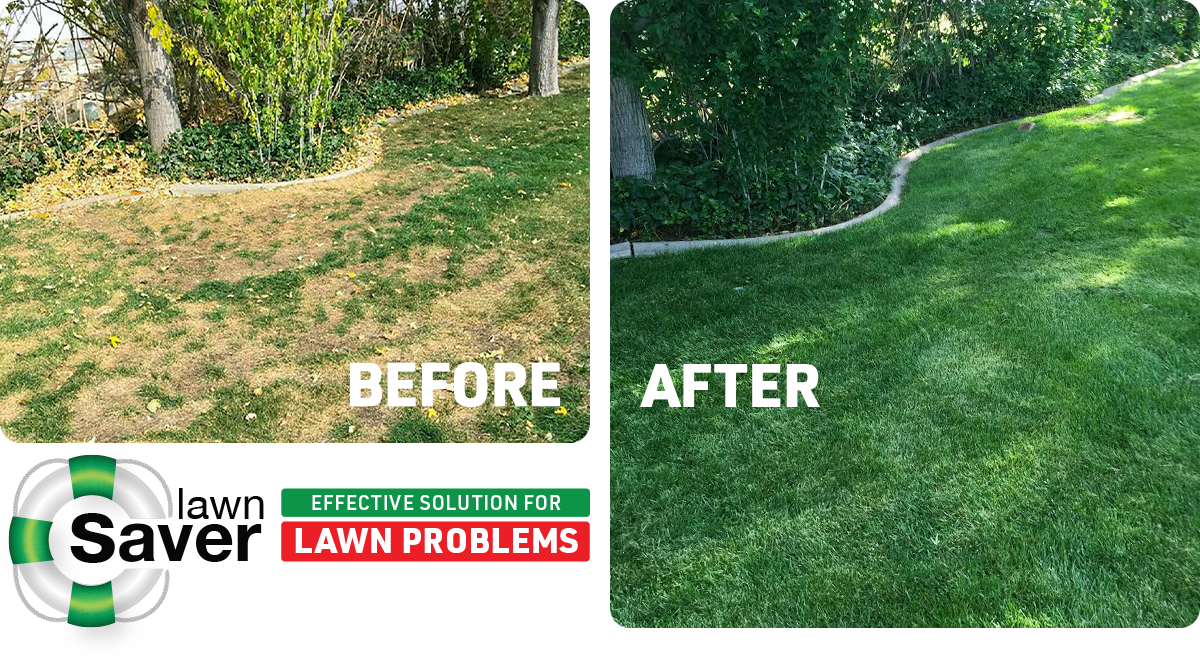
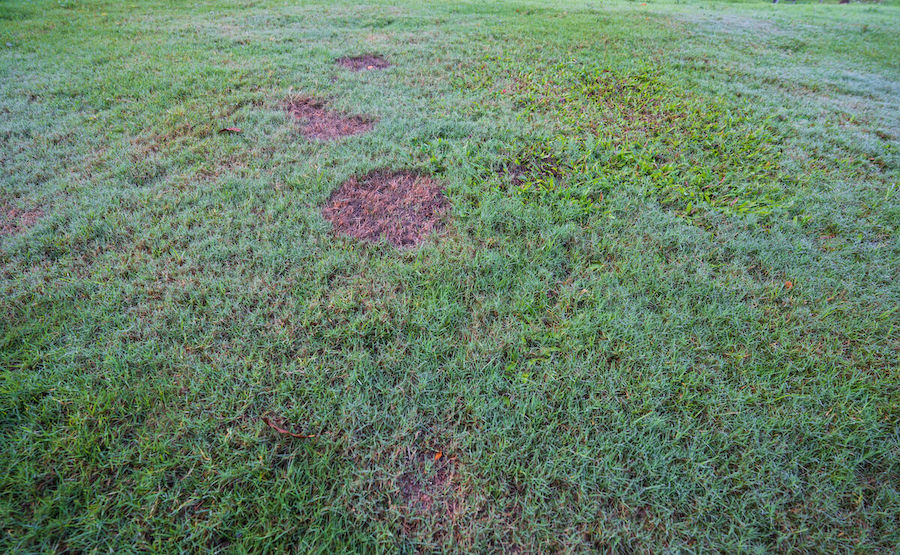
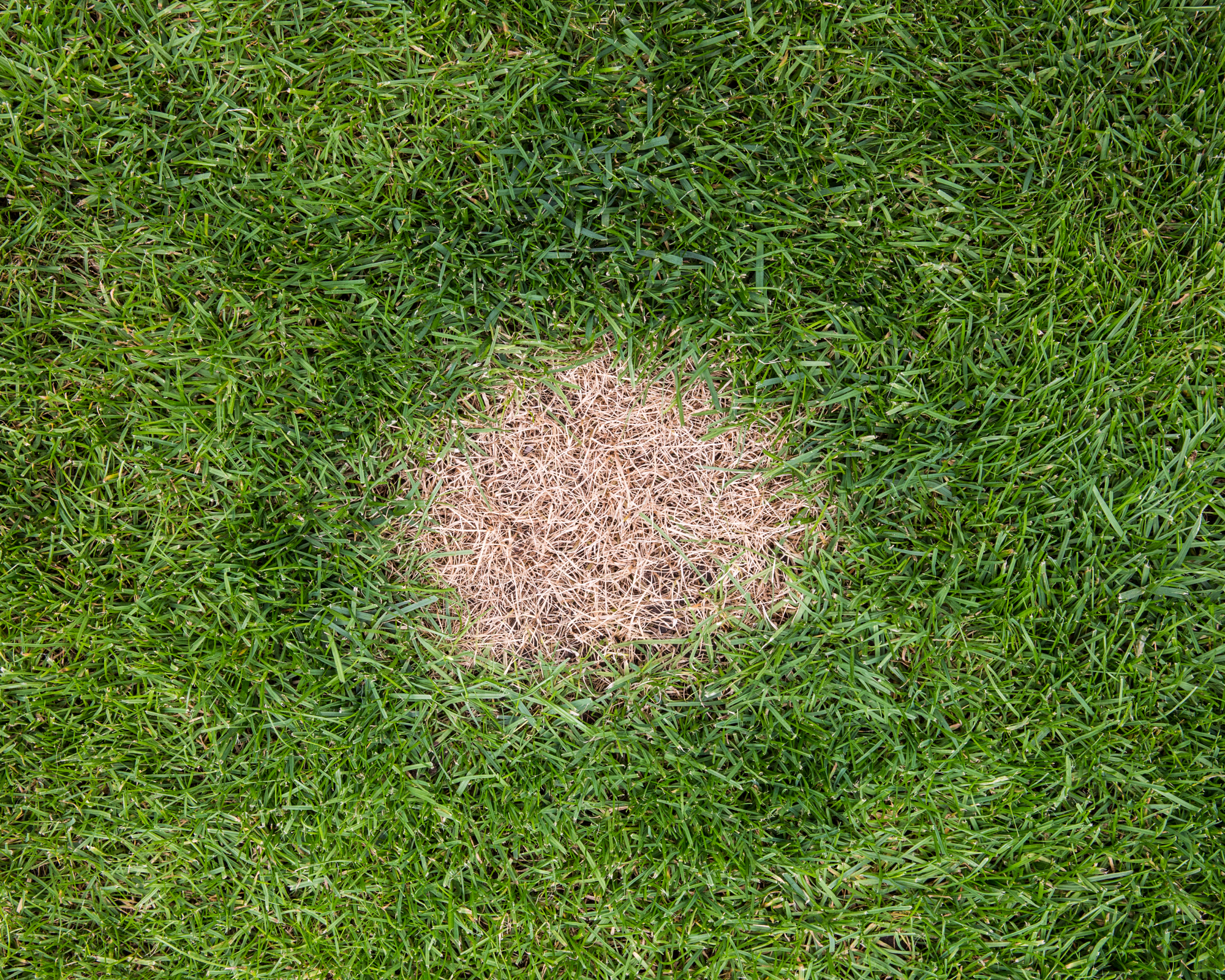
Brown patches in a lawn during the spring of 2026 might look like simple dehydration or heat stress, but the cause often lies beneath the surface. White grubs, the larval stage of various beetles, remain a persistent threat to turf health throughout the local region. These C-shaped, cream-colored pests feed on the root systems of grass, effectively severing the plant from its water and nutrient source. Identifying them early requires more than a passing glance at the grass blades.
Experts suggest the "tug test" as a primary diagnostic tool. If a section of brown grass pulls up easily like a piece of loose carpet, grubs have likely already destroyed the root structure. In 2026, many property owners have noticed an increase in secondary signs of infestation, such as skunks, raccoons, or birds frequently digging in the soil. These animals are searching for a high-protein meal, and their presence usually indicates a significant larval population. Focusing on Infestation Risk is essential for long-term turf health, as allowing these pests to mature leads to a recurring cycle of destruction each year.
The Biological Cycle of Turf Pests in 2026
The timing of grub activity has shifted slightly due to the unique weather patterns seen in 2026. A mild winter followed by a damp spring has accelerated the maturation of several common species, including the Japanese beetle and the Northern masked chafer. Understanding the life cycle is the most effective way to determine when to apply treatments. Most grubs follow a one-year cycle, overwintering deep in the soil before moving upward as the ground warms in March and April.
During this early spring ascent, grubs feed briefly before pupating and emerging as adult beetles in June or July. While adult beetles cause visible damage to ornamental plants and trees, the real threat to the grass returns when these adults lay eggs back in the turf. These eggs hatch into a new generation of hungry larvae by late summer. Significant Infestation Risk Assessment has emerged as a reliable solution for early-season issues, targeting the larvae before they reach their most destructive phase in the autumn.
Emerging Lawn Diseases and 2026 Soil Conditions
Grub damage rarely happens in isolation. The stress caused by root loss often leaves the turf vulnerable to emerging fungal diseases that have gained traction in 2026. Brown patch and dollar spot are increasingly common in areas where Climate has been inconsistent. These pathogens thrive in the weakened grass, taking advantage of the lack of nutrient uptake. When the root system is compromised, the plant cannot defend itself against these microscopic invaders.
Soil compaction also plays a role in how these pests and diseases spread. In many parts of the region, heavy spring rains followed by rapid drying have created a crust on the soil surface. This layer traps moisture at the base of the grass, creating a humid microclimate that favors fungal growth while making it harder for liquid grub treatments to reach the root zone. Proper aeration has become a standard recommendation for those looking to improve the efficacy of their Climate.
Effective Prevention Strategies
Prevention remains the most efficient way to manage grub populations before they cause visible browning. Modern preventative products are designed to stay active in the soil for several months, providing a window of protection that covers the peak egg-laying season. Many property managers prioritize Infestation Risk across the Region before the peak summer heat to ensure the product is already in place when the eggs hatch.
Applying these treatments requires precise timing. If the product is applied too early, it may degrade before the larvae emerge. If applied too late, the grubs may grow large enough to resist the treatment. In 2026, the ideal window for most preventative measures has stabilized between late May and early July, depending on the specific soil temperatures in the local area. Consistency is the key to preventing the "population explosions" that occur when a lawn is left untreated for multiple seasons.
Curative Treatments for Active Infestations
When damage is already visible in August or September, the strategy must switch from prevention to curative action. Curative insecticides are designed to work quickly on contact, but they generally have a shorter lifespan in the soil. These products are necessary when the grub count exceeds ten per square foot. To check the count, a small section of turf can be peeled back. If the white larvae are easily visible and numerous, immediate action is typically required to save the remaining grass.
Effective curative treatment in 2026 involves more than just spreading granules. The area must be watered thoroughly immediately after application. Water moves the active ingredients down into the top few inches of soil where the grubs are actively feeding. Without this irrigation, the treatment stays on the surface, where it is broken down by sunlight and provides no benefit to the root zone.
Species-Specific Challenges in 2026
- Japanese Beetles: These remain the most common threat, with adults causing significant foliage damage alongside the larval root destruction.
- European Chafers: Noted for their ability to feed later into the cold season, these pests often require different timing for effective control.
- Green June Beetles: Their large size makes them easier for predators to find, leading to more significant digging damage from wildlife.
Long-Term Maintenance and Turf Resilience
Maintaining a thick, healthy lawn is one of the best ways to discourage beetles from laying eggs. Beetles prefer to deposit their eggs in thin turf or areas with low soil moisture. By keeping the grass at a height of three to four inches, the soil remains shaded and cooler, which is less attractive to many beetle species. Additionally, deep and infrequent watering encourages grass roots to grow deeper into the soil, making the plant more resilient to the minor root loss caused by low-level grub activity.
Fertilization also plays a part in the recovery process. Once a grub infestation is under control, a nitrogen-rich fertilizer can help the grass grow new roots and fill in the bare spots. In 2026, many lawn care programs have integrated soil testing to ensure the pH levels are optimal, as acidic soil can hinder the effectiveness of certain pest control products. Monitoring the turf throughout the year ensures that small problems do not become major renovations by the time autumn arrives.
The Role of Environmentally Conscious Options
As more residents in the region look for sustainable options, biological controls have seen a rise in use during 2026. Beneficial nematodes, which are microscopic organisms that hunt and kill grubs, offer a non-chemical alternative. These require specific soil conditions, such as high moisture and moderate temperatures, to be effective. Milky spore is another option specifically for Japanese beetle larvae, though it takes several years to establish itself in the soil.
Whether choosing traditional or biological methods, the goal remains the same: breaking the cycle of infestation. By combining accurate identification with well-timed treatments and proper cultural practices, homeowners can maintain healthy, green spaces even in the face of evolving pest pressures. Staying informed about the local conditions in 2026 allows for a proactive approach that saves time, money, and the health of the lawn.

Table of Contents
- – Identifying Grub Infestations in 2026
- – The Biological Cycle of Turf Pests in 2026
- – Emerging Lawn Diseases and 2026 Soil Conditions
- – Effective Prevention Strategies
- – Curative Treatments for Active Infestations
- – Species-Specific Challenges in 2026
- – Long-Term Maintenance and Turf Resilience
- – The Role of Environmentally Conscious Options
Latest Posts
Ways An Amsterdam Romance Advisor Can Improve Your Communication Skills
Advanced Grub Control Cycles for Healthier Grass
What Climate Means for Future Lawns
Latest Posts
Ways An Amsterdam Romance Advisor Can Improve Your Communication Skills
Advanced Grub Control Cycles for Healthier Grass
What Climate Means for Future Lawns