All Categories
Featured
Table of Contents
Emerging Fungal Threats in the 2026 Growing Season
Property owners throughout the region are facing a set of challenges that differ significantly from previous years. The 2026 climate has shifted the behavior of common turf pathogens, leading to the rise of more resilient fungal strains. These organisms, which once followed predictable seasonal cycles, now appear earlier in the spring and persist longer into the autumn. This shift is primarily driven by atypical humidity patterns and soil temperatures that remain elevated even during overnight hours. Identifying these issues requires a move away from traditional visual checks toward a more scientific understanding of soil health and spore behavior.
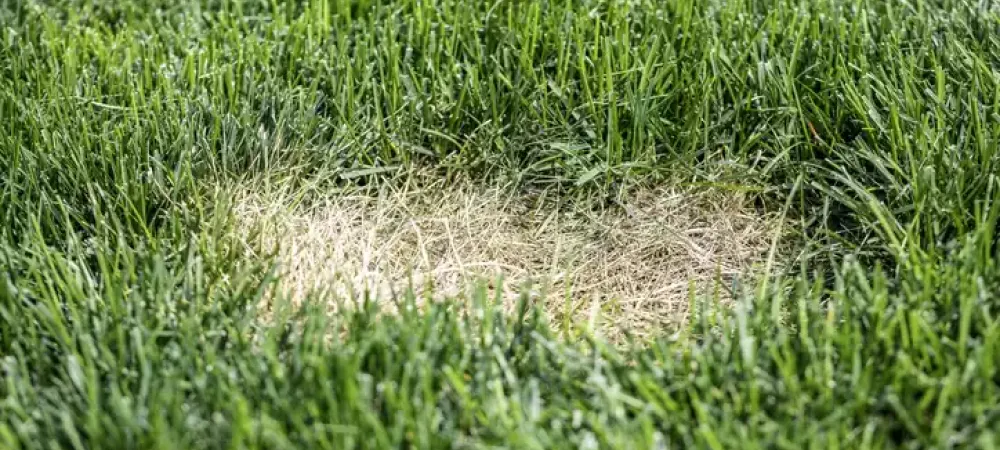
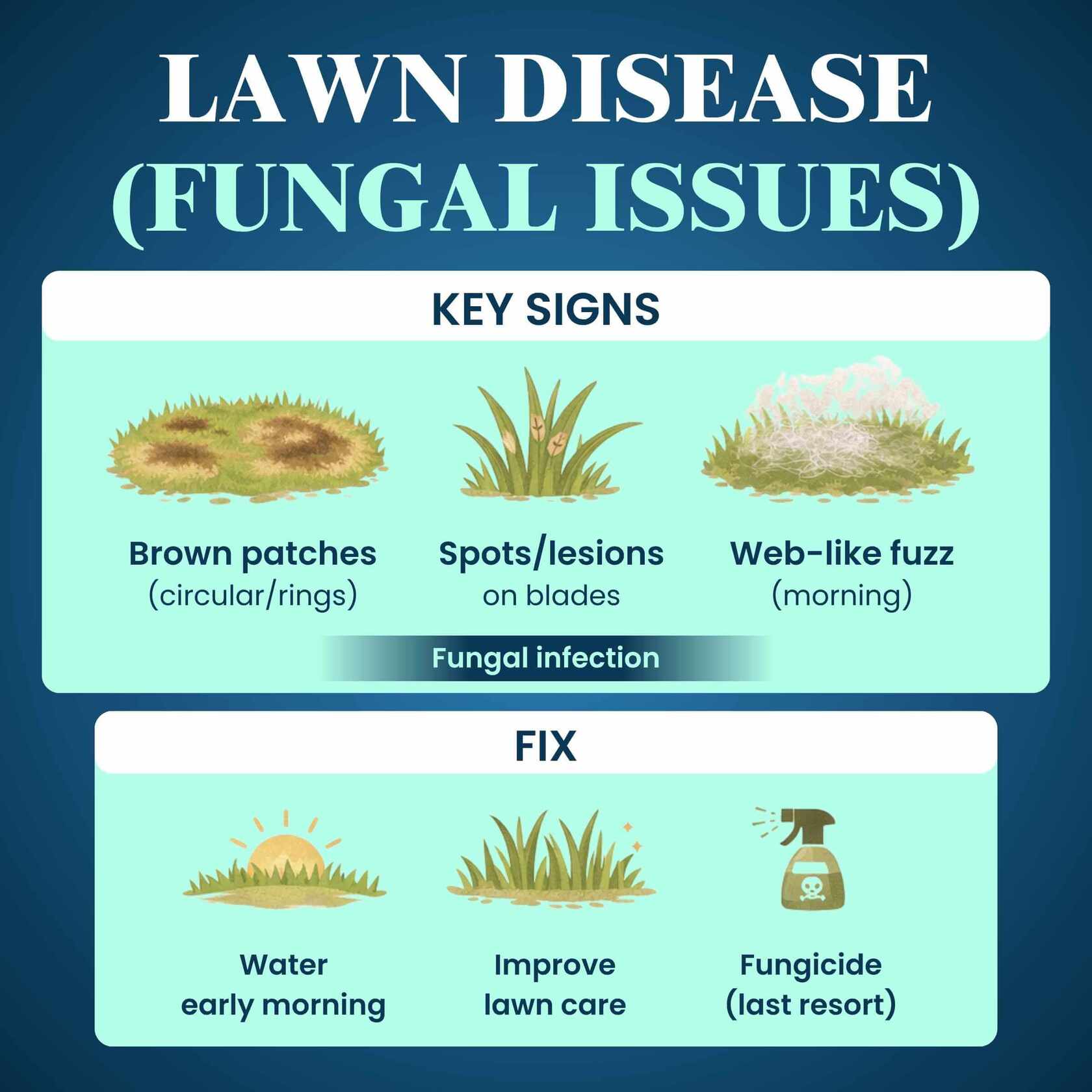
One of the most concerning developments in 2026 is the mutation of Rhizoctonia solani, commonly known as large patch or brown patch. While this fungus has always been a nuisance, the current variants show a marked resistance to older fungicide applications. These new strains thrive in temperatures between 70 and 85 degrees Fahrenheit, but they are now surviving in much wetter conditions than previously observed. Homeowners often mistake these patches for simple underwatering, leading them to apply more water, which only accelerates the fungal spread across the turf. The affected areas typically show a circular pattern of thinning, brownish grass with a distinct orange hue at the outer edges where the fungus is most active.
Proper identification remains the first step in any remediation plan. In the local area, many residential lawns are showing signs of what pathologists are calling "Stealth Rot." This condition affects the root system before any symptoms appear on the grass blades. By the time the foliage turns yellow or tan, the vascular system of the plant is already compromised. Experts in the field suggest that effective management of turf health often requires specialized knowledge in Backyard Pest Management. Without addressing the underlying soil conditions, topical treatments are unlikely to provide a long-term solution to these aggressive root-infecting pathogens.
Advanced Identification Techniques for Mosquito Control in 2026
The standard of care for domestic lawns has evolved to include more diagnostic testing. In 2026, soil testing goes beyond simple pH and nutrient levels. Mycelial maps and spore counts are becoming common tools for those serious about lawn longevity. This data allows for a targeted approach to Mosquito Control rather than a broad-spectrum application of chemicals that can sometimes harm beneficial soil microbes. When beneficial bacteria and fungi are suppressed, the pathogenic strains find a vacuum in which to thrive. This creates a cycle of dependency on synthetic inputs that many homeowners are now trying to break.
Another emerging threat is Pythium blight, which has become more frequent due to the 2026 trend of heavy, sudden rainfall followed by intense heat. This combination creates a "pressure cooker" effect in the soil. Pythium is particularly dangerous because it can destroy large sections of a lawn within 24 to 48 hours. It travels through water films on the grass blades and can be spread by lawnmowers, foot traffic, or even heavy wind. Professional Backyard Pest Management Programs remains a priority for property managers looking to maintain curb appeal during these high-risk periods. Monitoring for "cottony" growth in the early morning hours, when dew is still present, is the best way to catch this pathogen before it enters its most destructive phase.
Current research suggests that the physical structure of the soil plays a massive role in how these diseases manifest. Compacted soils with poor drainage are almost always the first to succumb. In 2026, aeration and top-dressing with organic matter have moved from being optional maintenance tasks to essential defensive strategies. By improving the oxygen exchange at the root level, homeowners can create an environment that is hostile to anaerobic pathogens. Furthermore, the selection of grass cultivars is changing. Newer varieties of fescue and Kentucky bluegrass are being bred specifically for resistance to the 2026 strains of leaf spot and melting-out diseases.

The Role of Pests as Vectors for Lawn Disease
The relationship between insects and fungi is more pronounced in 2026 than in previous decades. Certain pests, such as the modified sod webworm and various species of subterranean beetles, act as carriers for fungal spores. As these insects move through the thatch layer feeding on grass stems, they inadvertently inoculate healthy plants with disease. This dual threat makes Mosquito Control a multifaceted endeavor. Controlling the insect population is often the only way to stop the recurring cycle of fungal infections that seem to defy standard fungicides. Homeowners searching for Insect Suppression in Maryland often find that early detection of these insect vectors is the only way to save a lawn from total renovation.
The 2026 season has also seen a spike in "Dollar Spot" cases that are showing multi-drug resistance. This fungus is typically associated with low nitrogen levels, but the new variants are appearing even in well-fertilized lawns. The spots are small, roughly the size of a silver dollar, but they can coalesce to form large, irregular patches of dead turf. Pathologists have noted that these outbreaks are often preceded by periods of high humidity where the foliage remains wet for more than ten consecutive hours. Reducing irrigation frequency while increasing the duration of each watering session can help keep the leaf surface dry, thereby limiting the window for infection.
Cultural practices are being redesigned to meet these 2026 standards. Mowing heights are being raised across the region to provide more shade for the soil, which helps keep root temperatures stable. Sharper mower blades are also mandatory, as dull blades tear the grass, creating open wounds that serve as entry points for spores. These small adjustments in maintenance routines can significantly reduce the need for intensive chemical interventions later in the year. It is about creating a resilient system rather than just reacting to symptoms as they appear on the surface.
Integrating Biological Controls into Mosquito Control Routines
One of the most significant shifts in 2026 is the use of biological fungicides. These products contain beneficial organisms like Bacillus subtilis or Trichoderma, which actively compete with pathogenic fungi for space and nutrients. Unlike synthetic chemicals, these biologicals can colonize the root zone and provide ongoing protection. They are particularly effective against the 2026 strains of summer patch and necrotic ring spot, which have become increasingly difficult to manage with traditional means. Using these products requires a different mindset, as they are preventative rather than curative. They must be established in the soil before the peak disease season begins.
Water management technology has also taken a leap forward. Smart irrigation systems in 2026 now use local weather data and soil moisture sensors to ensure that grass is never over-hydrated. Since most fungal pathogens require a film of water to infect the host plant, keeping the canopy dry is the most effective non-chemical control available. Homeowners are encouraged to water in the pre-dawn hours, allowing the rising sun to quickly dry the grass. Evening watering is now widely discouraged, as it leaves the lawn damp throughout the night, providing the perfect conditions for spore germination.
The 2026 outlook for turf health is one of cautious adaptation. While new fungal pathogens are certainly more aggressive, the tools available for identification and treatment are equally advanced. By focusing on soil biology, proper cultural practices, and the strategic use of Mosquito Control, it is possible to maintain a healthy lawn despite the changing environmental pressures. The focus is shifting toward long-term sustainability and the creation of a balanced soil environment that can naturally resist the incursions of these modern fungal strains. Success in the 2026 growing season depends on staying informed and being proactive before the first sign of yellowing appears on the grass.
As the summer progresses, keeping a close eye on the transition zones of the lawn—where grass meets walkways or flower beds—can provide early warnings. These areas often heat up faster and stay wetter, making them the primary breeding grounds for the next wave of fungal activity. Through careful observation and a commitment to modern turf science, the domestic lawn can continue to be a stable and healthy part of the residential environment in the region.

Latest Posts
Ways An Amsterdam Romance Advisor Can Improve Your Communication Skills
Advanced Grub Control Cycles for Healthier Grass
What Climate Means for Future Lawns