All Categories
Featured
Table of Contents

New Standards for Garden Health in 2026
Outdoor environments in 2026 face a unique set of challenges as shifts in regional weather patterns alter the life cycles of common backyard inhabitants. Property owners are noticing that traditional chemical applications do not always yield the results they once did. This decline in efficacy is often tied to the increasing resistance seen in various species of beetles, moths, and aphids. As a result, the focus has moved toward the biological mechanisms of control, which rely on the natural relationships between predators, parasites, and pathogens.
Understanding how these biological agents interact with the environment requires a look at the specific biology of the garden. In 2026, many homeowners are turning to beneficial organisms to manage populations of destructive larvae. The science behind this involves selecting a specific natural enemy that targets a pest without harming the rest of the garden's inhabitants. This selective approach helps maintain a stable balance, preventing the sudden surges in pest populations that often follow the broad application of synthetic sprays. Using Specialized Treatments ensures that the solutions applied are tailored to the specific pressures of the current season.
Identifying Emerging Pests and Diseases in 2026
The current year has seen the rise of several specific threats that require immediate attention. One such issue is the spreading of Metallic-Blue Leaf Beetles, a species that has recently expanded its range. These insects can skeletonize foliage in a matter of days if left unchecked. Unlike older varieties of beetles, these are particularly hardy and have shown a surprising ability to overwinter in more northern climates than previously recorded.
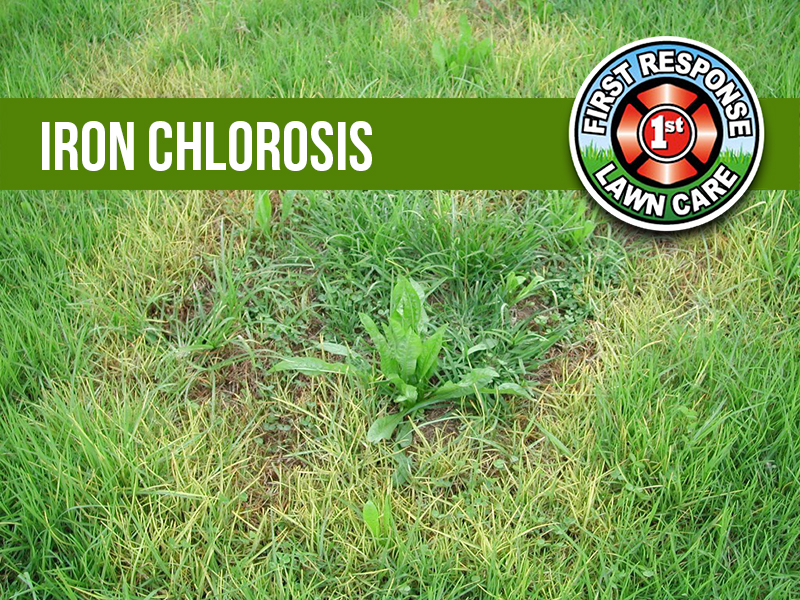
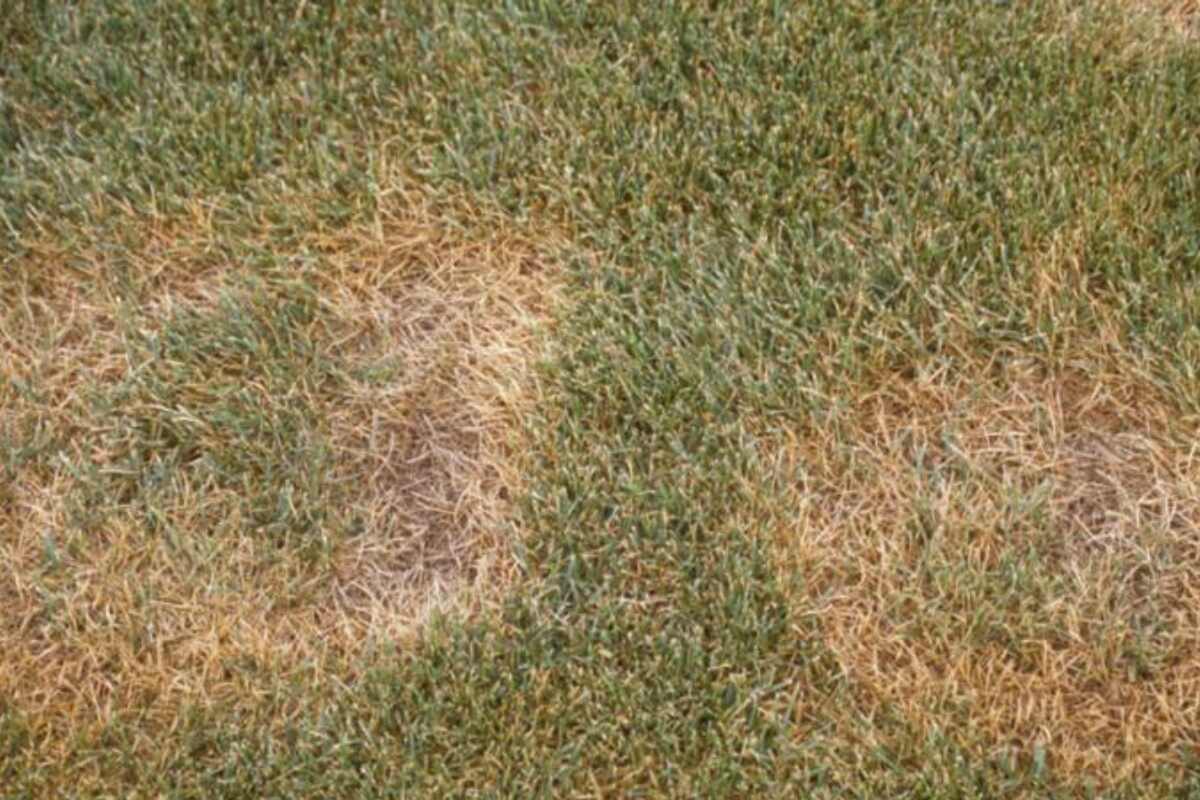
Lawn diseases are also evolving. A new variant of copper-stripe wilt has been identified in various regions, characterized by thin, metallic-looking orange lines that appear on grass blades during periods of high humidity. This fungal pathogen thrives when soil drainage is poor and nights remain unusually warm. Traditional fungicides often struggle to penetrate the waxy coating of this specific strain. Instead, gardeners are finding success with antagonistic fungi. These "good" fungi compete for space and resources on the leaf surface, effectively starving the copper-stripe wilt before it can take hold. More people seeking Disease Diagnosis And Treatment have discovered that these biological inhibitors are often more persistent than chemical alternatives.
The Role of Parasitoids and Predatory Insects
Natural predation is a foundational concept in biological control. In 2026, the use of parasitoid wasps has become a standard practice for managing caterpillar populations. These tiny wasps, often no larger than a grain of salt, lay their eggs inside the bodies of pests. When the larvae hatch, they consume the host from the inside out. While this sounds gruesome, it is an exceptionally efficient way to lower pest numbers without introducing toxins into the vegetable patch.
Generalist predators also play a part. Lacewings, often called "aphid lions" in their larval stage, are being released in record numbers this year. Their appetite for soft-bodied insects like mites and whiteflies is unmatched. Unlike ladybugs, which often fly away immediately after release, lacewings tend to stay close to where they are placed as long as a food source is available. Many homeowners find that their focus on Disease Diagnosis yields better long-term results when these predatory insects are given a permanent habitat within the garden. This involves leaving some leaf litter or planting specific nectar-rich flowers to sustain the adults.
Microbial Warfare: Bacteria and Nematodes
Beneath the surface of the soil, a different kind of battle occurs. Beneficial nematodes are microscopic roundworms that hunt for soil-dwelling pests like grubs and flea larvae. In 2026, the technology for delivering these organisms has improved, allowing them to survive longer in the packaging and remain active in the soil for several months. These nematodes enter the host through natural body openings and release a symbiotic bacteria that kills the pest within 48 hours.
Bacterial controls such as Bacillus thuringiensis (Bt) continue to be a staple, though 2026 has introduced more specialized strains. Some are formulated specifically for the larvae of mosquitoes in standing water, while others target the digestive systems of boring insects that hide inside plant stems. Because these bacteria are highly specific, they do not harm bees, butterflies, or birds that might visit the garden. The demand for Disease Treatment for Maryland Lawns has grown as people realize that protecting the soil microbiome is just as important as protecting the plants themselves. Healthy soil containing these microbes acts as a natural defense system, making it harder for invasive species to establish a foothold.
Treating Lawn Diseases with Bio-Fungicides
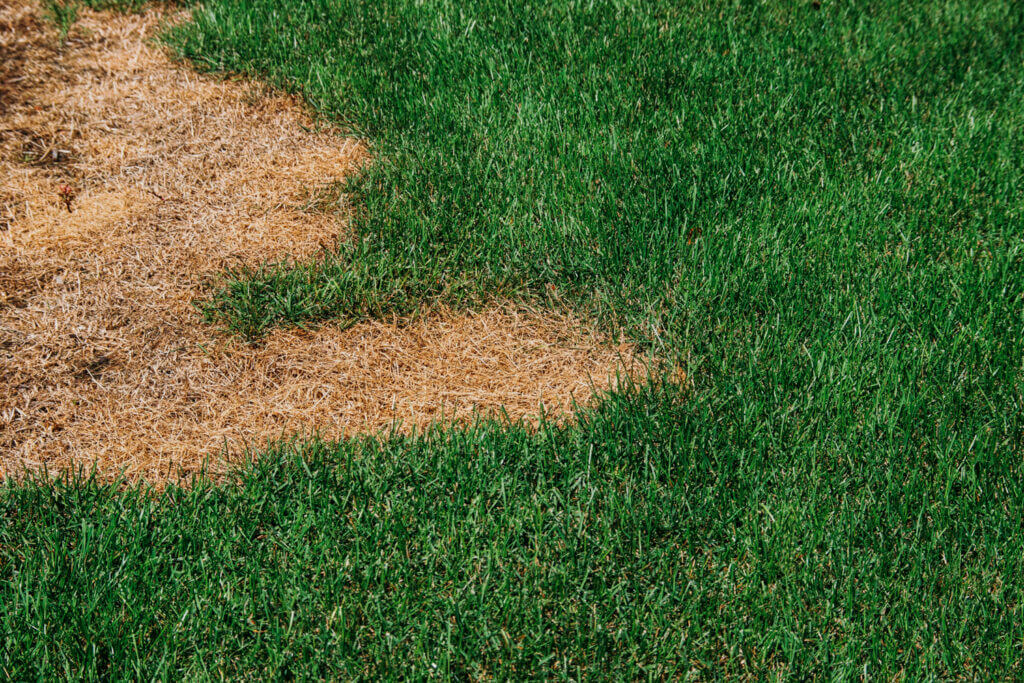
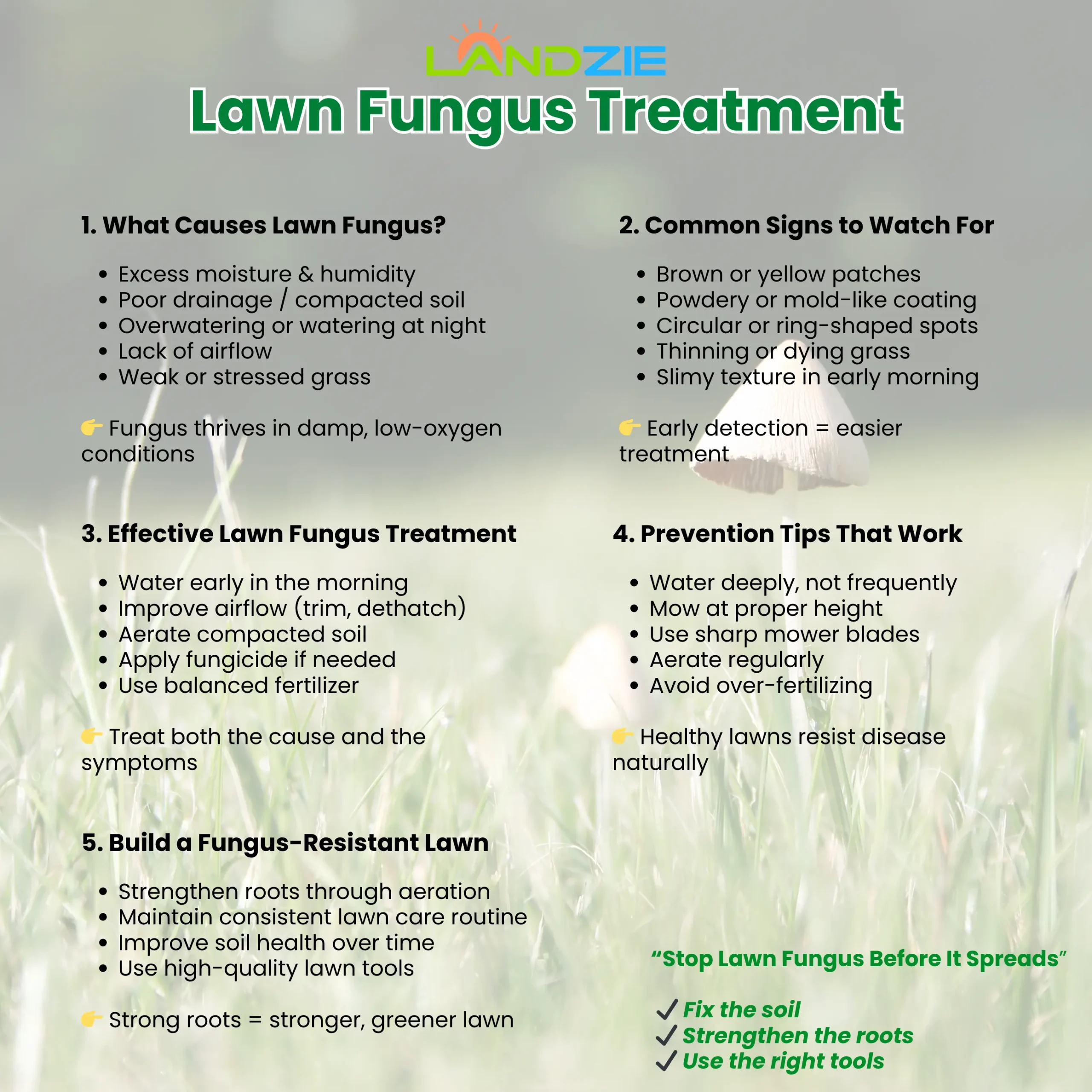
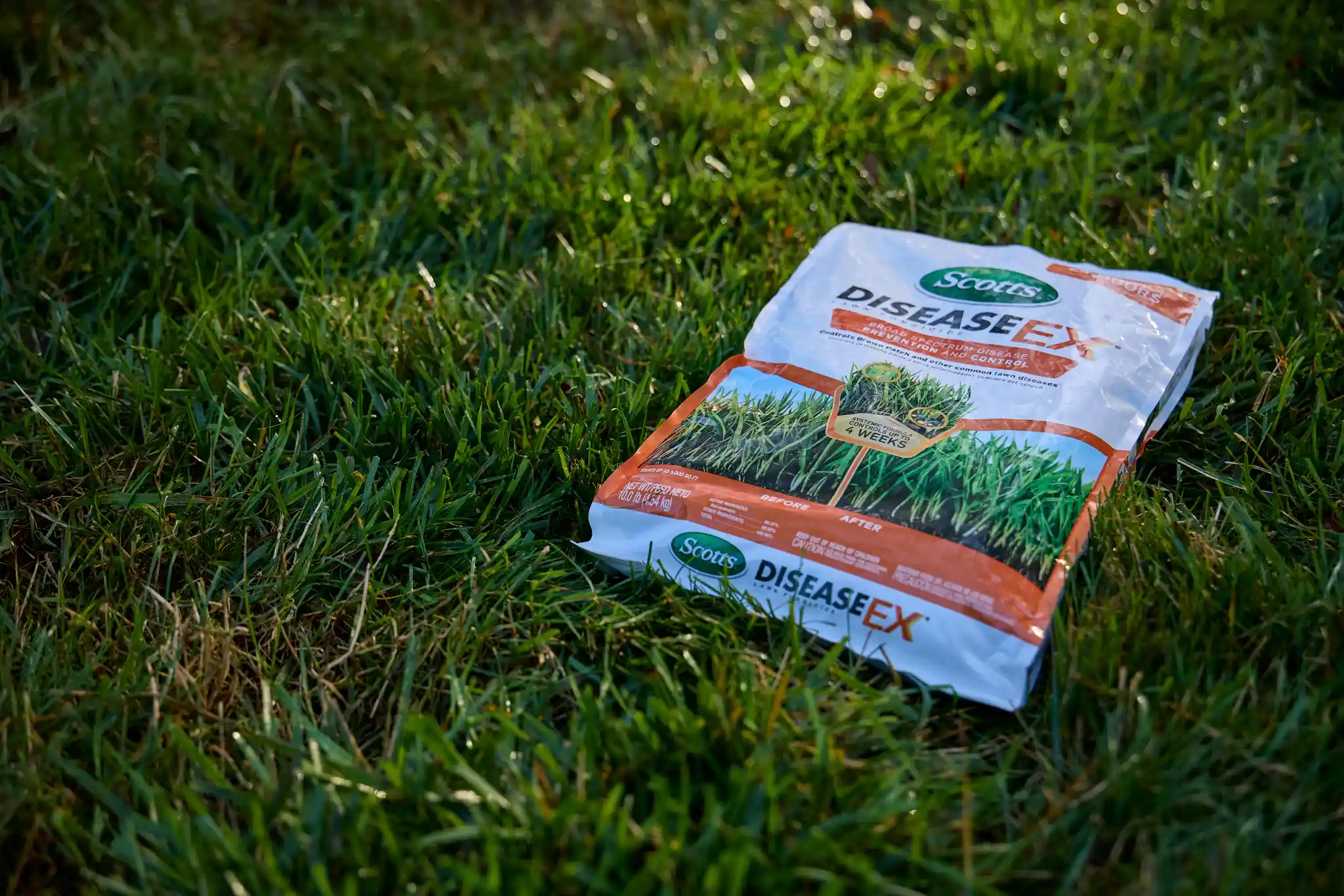
When a lawn starts to show signs of browning or spotting, the instinct is often to reach for a heavy-duty spray. However, 2026 has shown that bio-fungicides, which use living organisms to combat plant diseases, are often more effective for long-term suppression. Species like Streptomyces and Trichoderma are used to coat the roots of grass, forming a protective barrier against root rot and damping-off.
These biological agents do more than just fight off the "bad" fungi. They often stimulate the plant's own immune system, a process known as induced systemic resistance. This makes the grass more capable of handling environmental stress, such as the heatwaves that have characterized the 2026 summer. By treating the grass as a living entity rather than just a surface, property owners can reduce the frequency of treatments needed throughout the year. Identifying the specific disease early is the most important step. Spotting the difference between a simple nitrogen deficiency and a fungal infection like Pythium blight can be difficult without a trained eye, but the biological treatments available today are becoming more user-friendly for the average gardener.
Building a Resilient Garden for the Future
The shift toward biological controls represents a move toward a more sustainable way of living with nature. Rather than trying to eradicate every insect, the goal in 2026 is to manage the population to a level where the damage is negligible. This approach requires patience, as biological agents often take longer to show visible results than contact-kill chemicals. However, the results are much more stable. Once a population of predatory mites is established, they continue to work day and night without further intervention.
Homeowners are also learning to embrace a certain amount of diversity in their outdoor spaces. A perfectly manicured monoculture of grass is often the most susceptible to disease and pests. By introducing a variety of plant species, gardeners provide the necessary resources for the "good bugs" to thrive. This creates a self-regulating system where the science of biological control happens naturally every day. As the 2026 growing season continues, the data suggests that those who rely on these biological methods see fewer recurring problems and a more robust garden overall. Monitoring the garden regularly and responding with targeted biological agents ensures that the property remains a healthy, safe space for everyone.

Latest Posts
Ways An Amsterdam Romance Advisor Can Improve Your Communication Skills
Advanced Grub Control Cycles for Healthier Grass
What Climate Means for Future Lawns